Strategic Framework for Event Branding
- Event Branding
Effective event branding and promotion require a well-structured approach, distinctly different from product or service branding. Unlike traditional branding efforts, which follow a linear progression, event branding must be strategically designed to encompass the entire lifecycle—pre-event, event, and post-event.
Start with a Blueprint
A precisely planned event branding strategy must integrate all actions in a cohesive and interconnected manner. Every touchpoint, from visual identity and communication to on-ground activations and digital engagement, should bring into line with the event’s core narrative. Furthermore, audience segmentation plays a crucial role in creating personalized experiences. Delegates, participants, and the general audience each have unique expectations and require distinct engagement strategies, making it imperative to design deliverables accordingly.
Improvisation is the Key
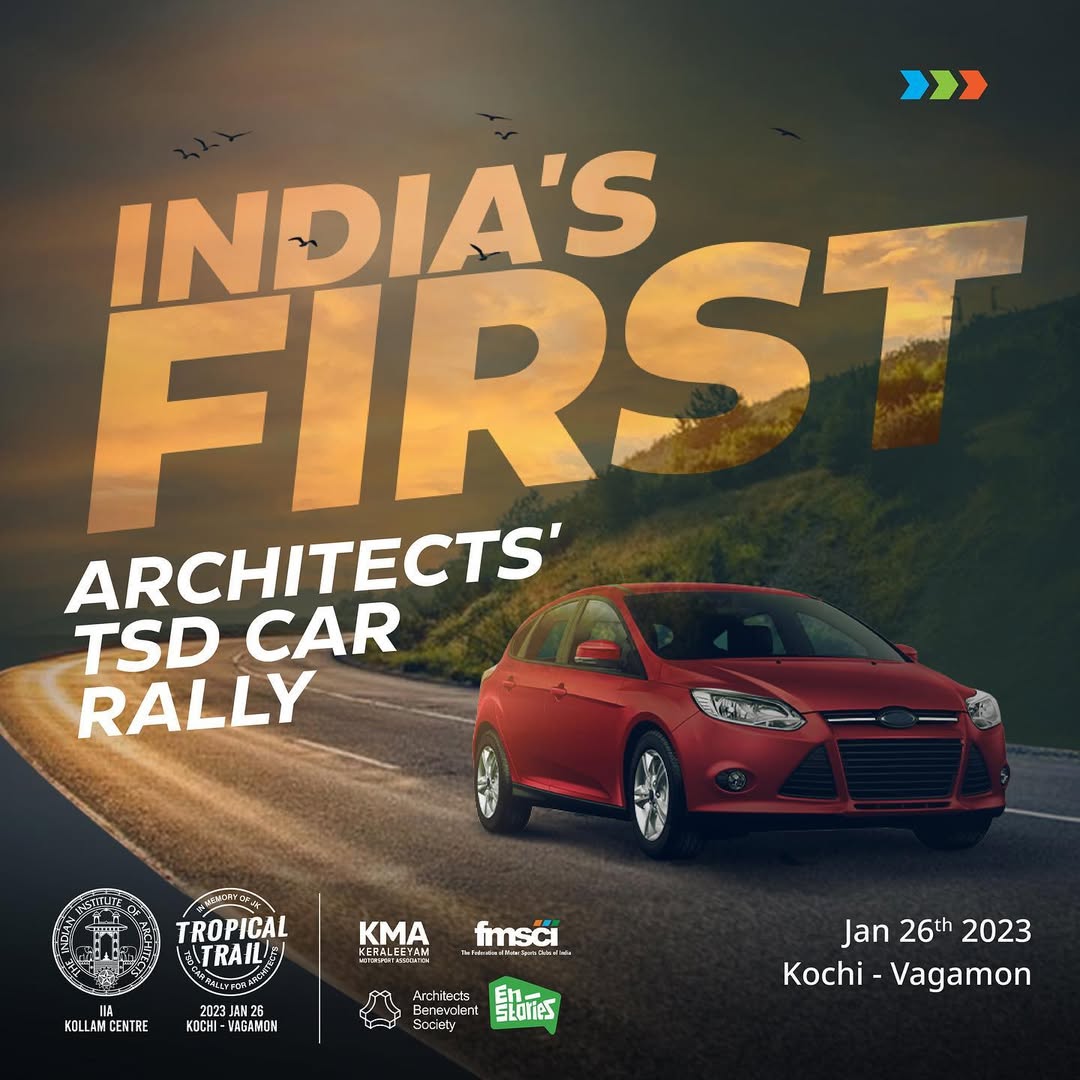
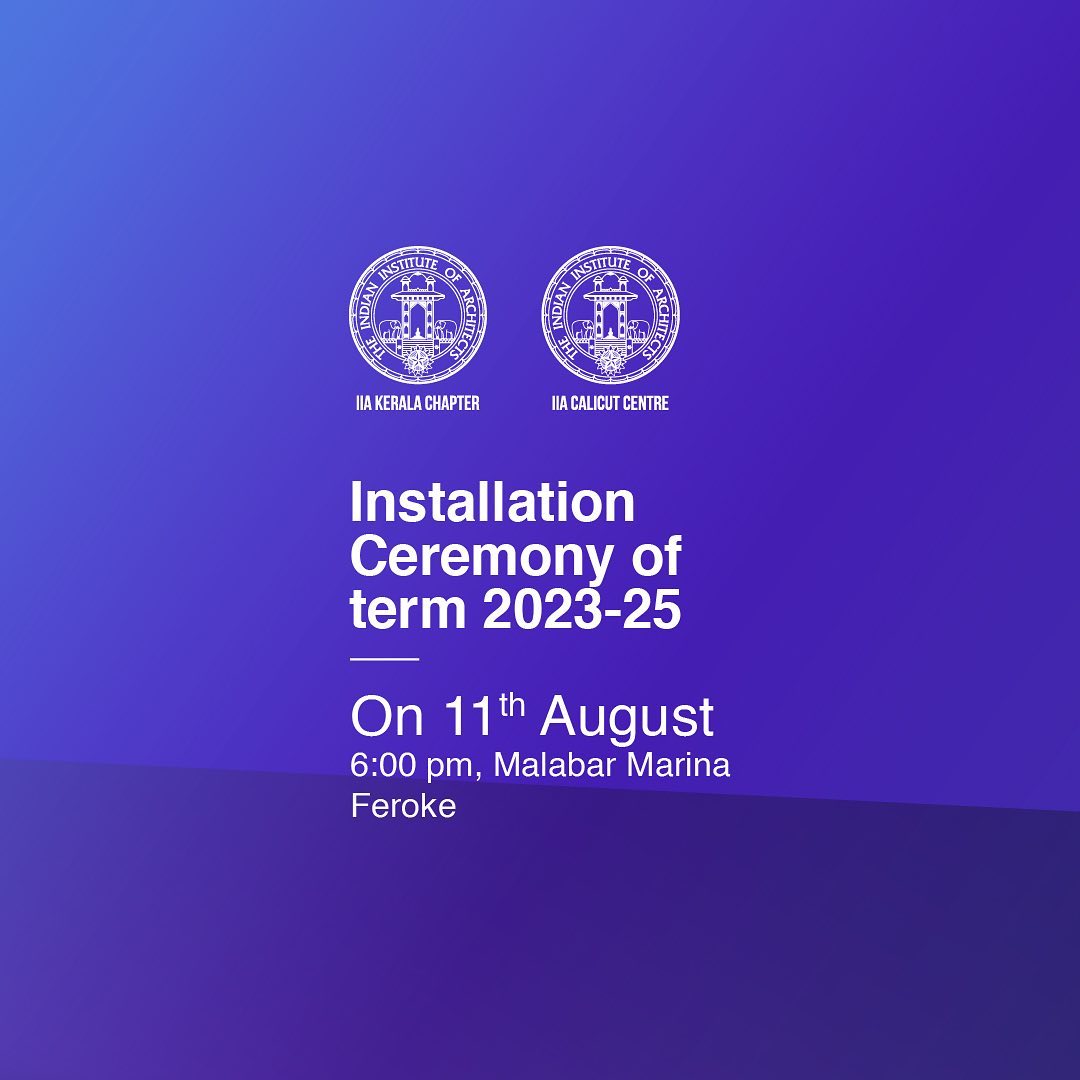
Past engagements with prestigious events such as the IIA National and State Awards, IIA Installations, IIA National Election Campaign, Family Wedding Centre Launch, and Tropical Trail Car Rally have underscored the importance of both forecasting and adaptability. While careful planning ensures brand consistency and a well-structured rollout, spontaneity remains an essential component, allowing brands to navigate real-time challenges and maximize engagement opportunities.
A well-executed event branding strategy is not just about visibility—it is about developing immersive experiences that leave a lasting impact. When executed with precision and adaptability, it transforms events into powerful brand-building platforms, reinforcing credibility and deepening audience connections.