The Science of Wellness Branding
- Wellness
Branding wellness is not just a creative exercise; it is a research-driven endeavour that demands a careful approach. When dealing with the human mind, with its intricate processes and profound influence on behaviour, branding strategies must be not only engaging but also scientifically validated.
Spread Hope
Rehabilitation centres like Witth (formerly Pratheeksha Glory) and Buds, which support mentally challenged and differently-abled individuals, focus on educating the public about the transformative potential of these services. Their campaigns are designed to bridge the gap between science and societal understanding, fostering awareness about the possibilities of skill development and life improvement for those with special needs.
Research to Refine
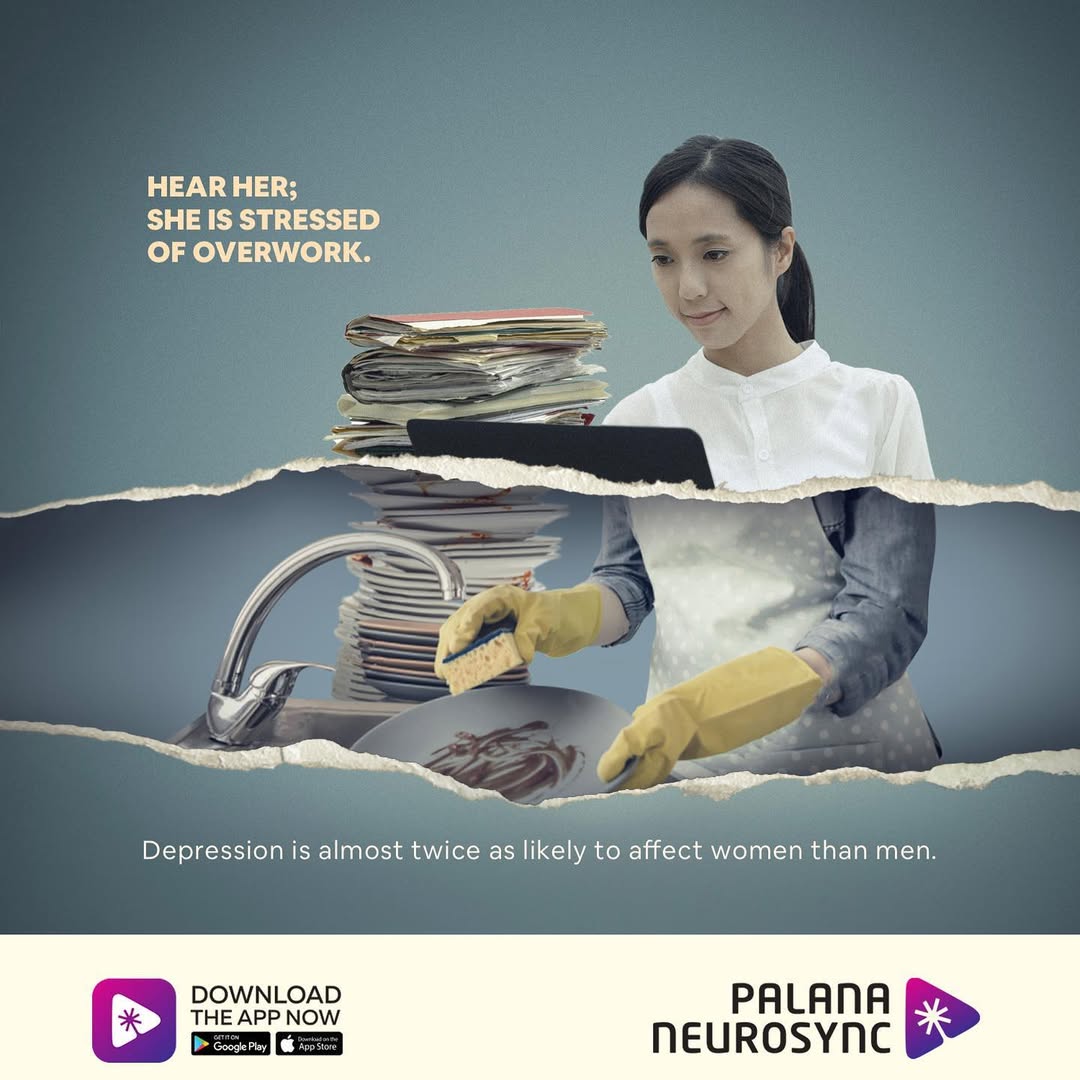
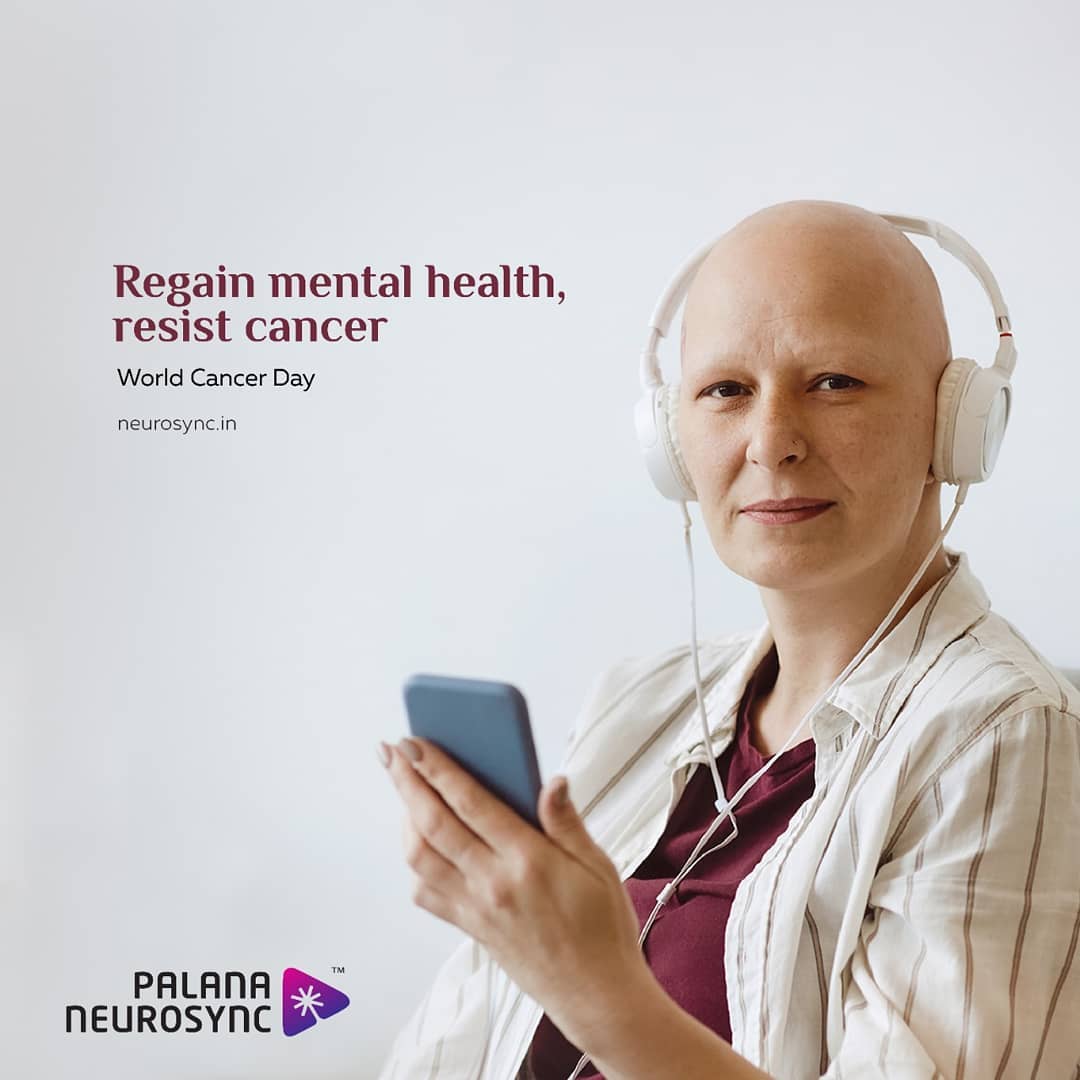
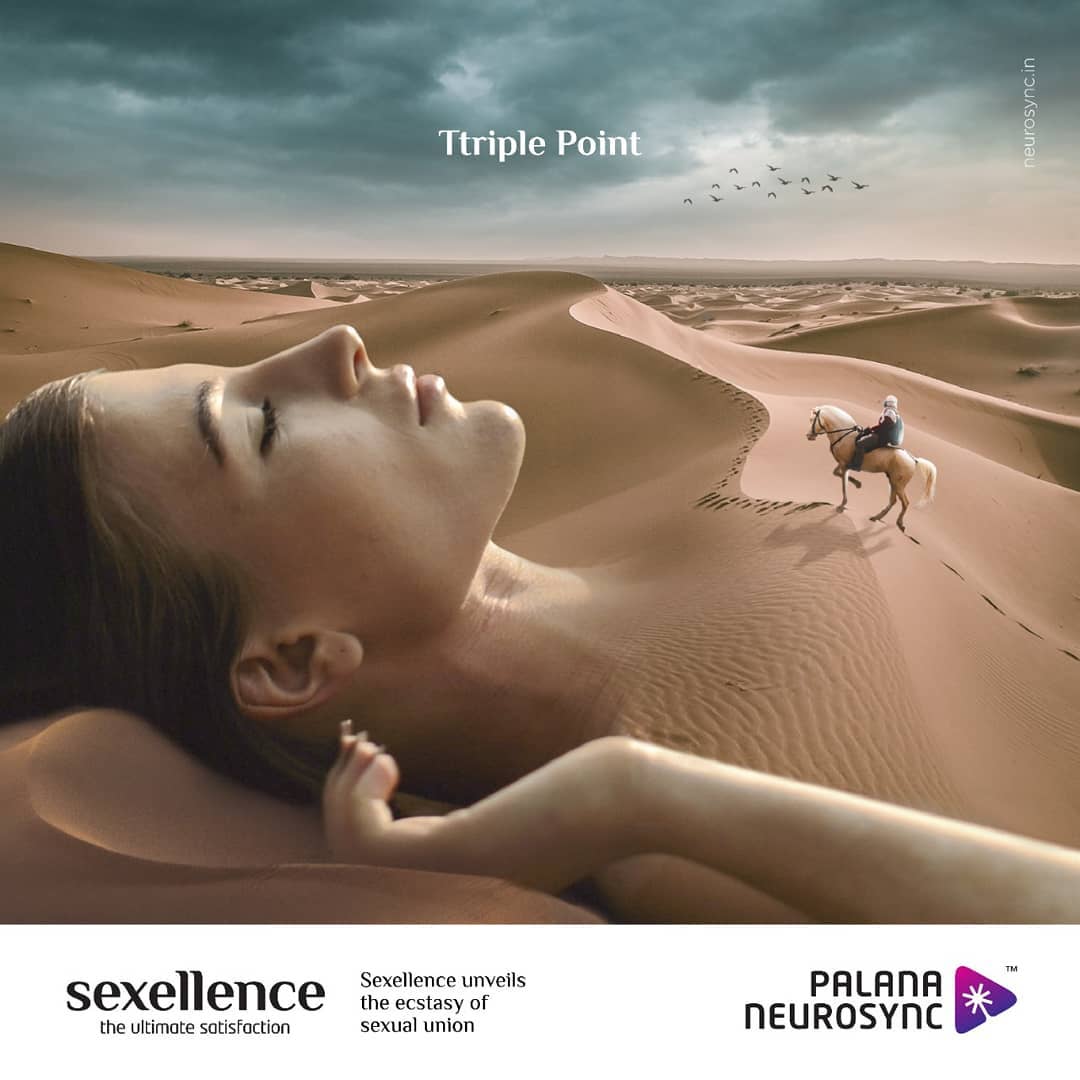
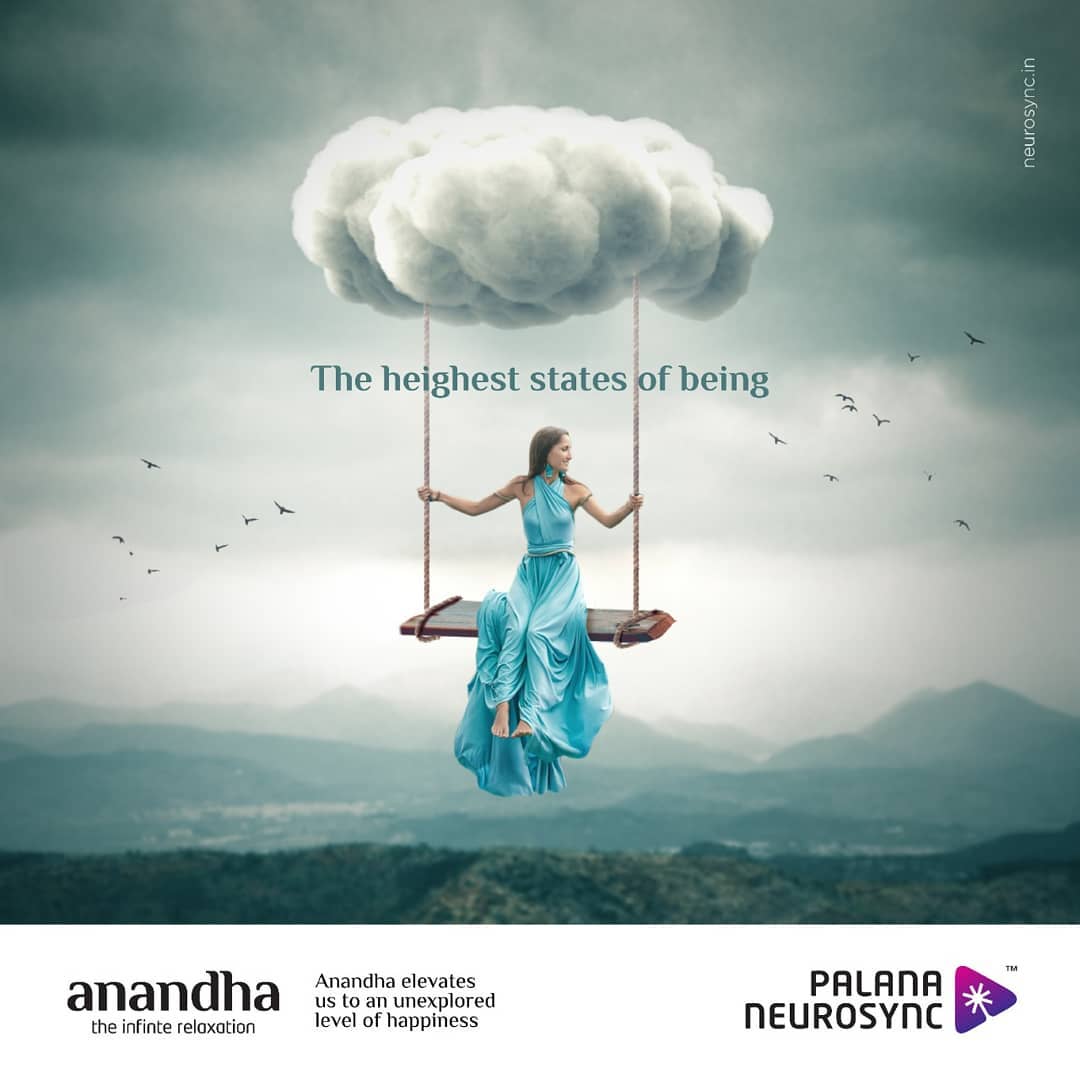
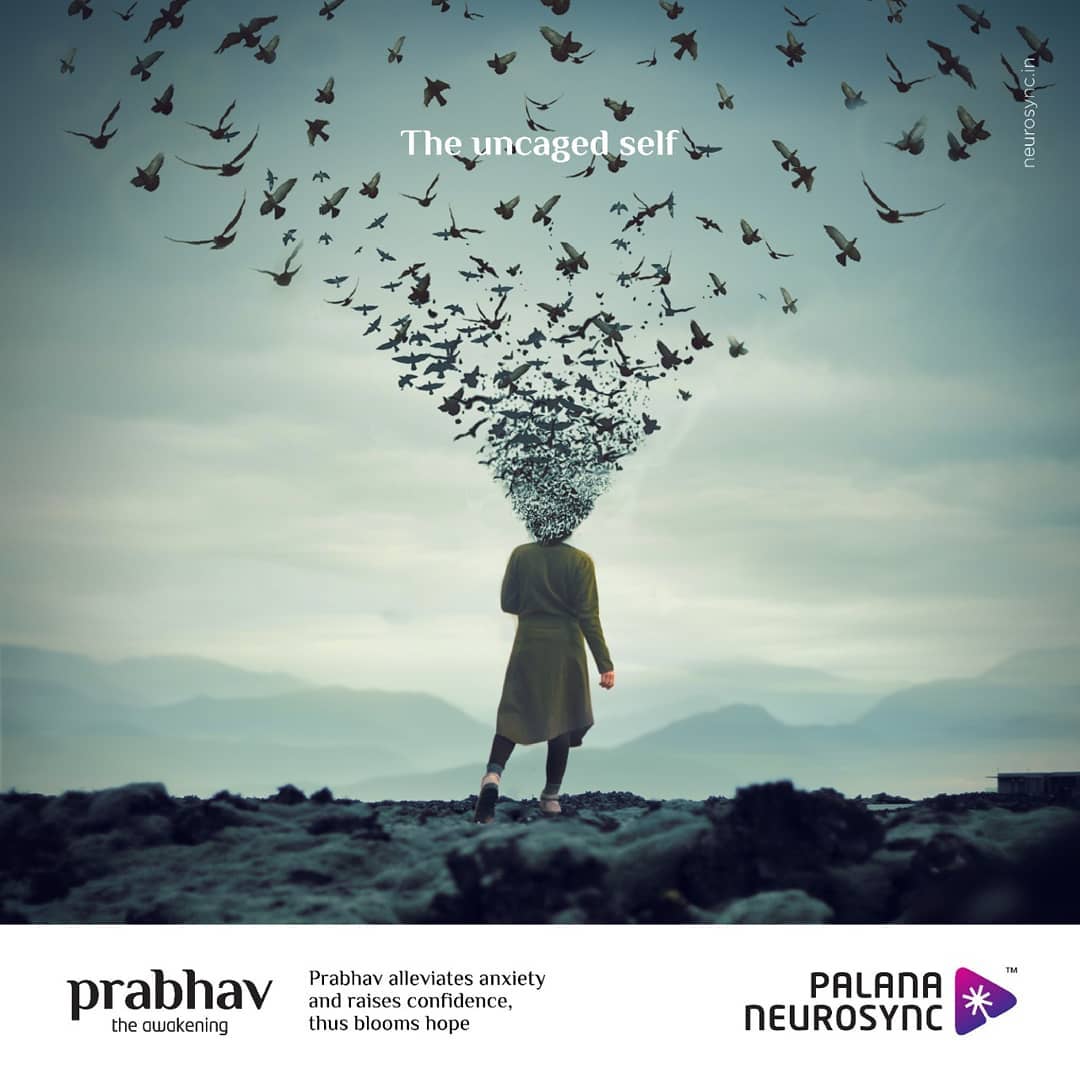
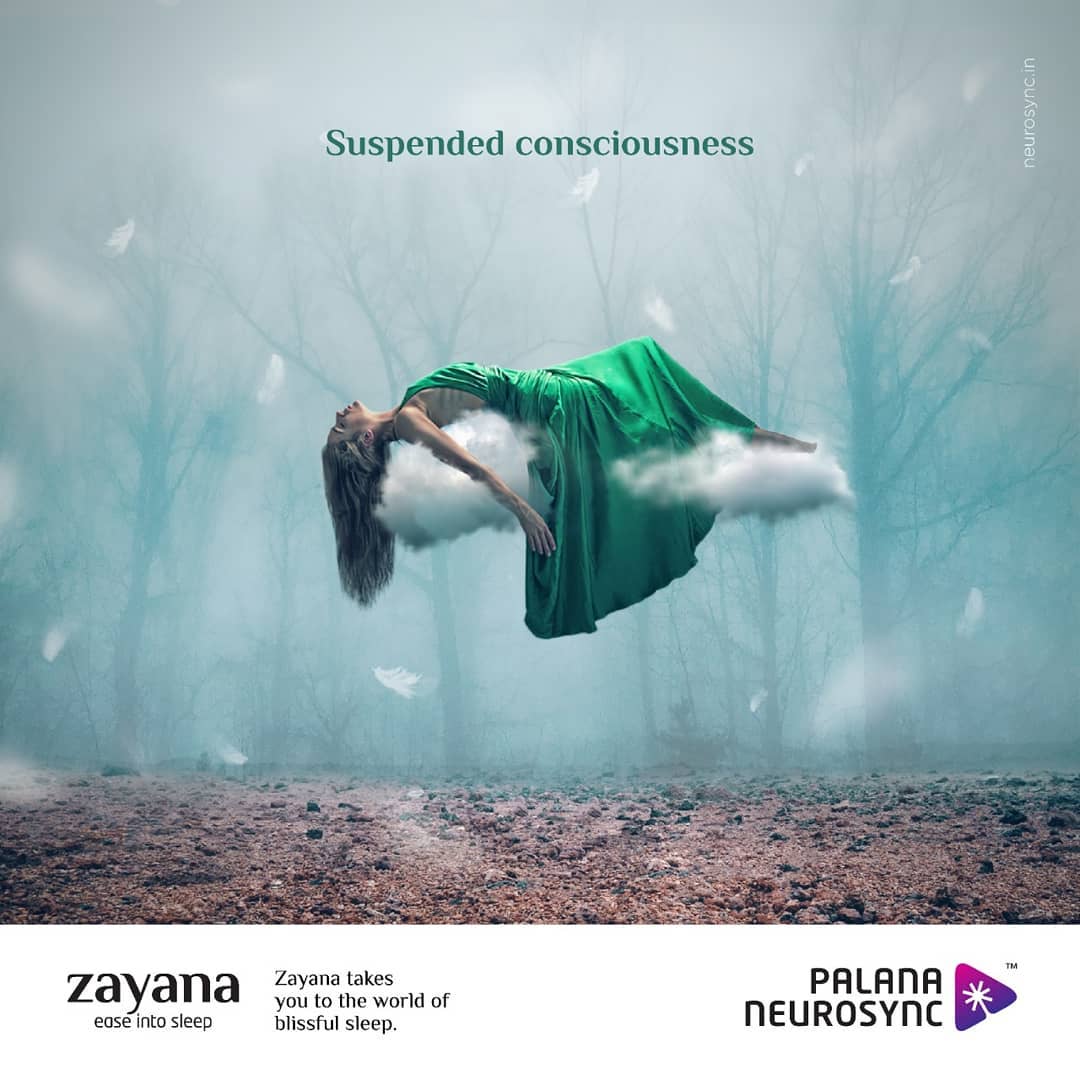
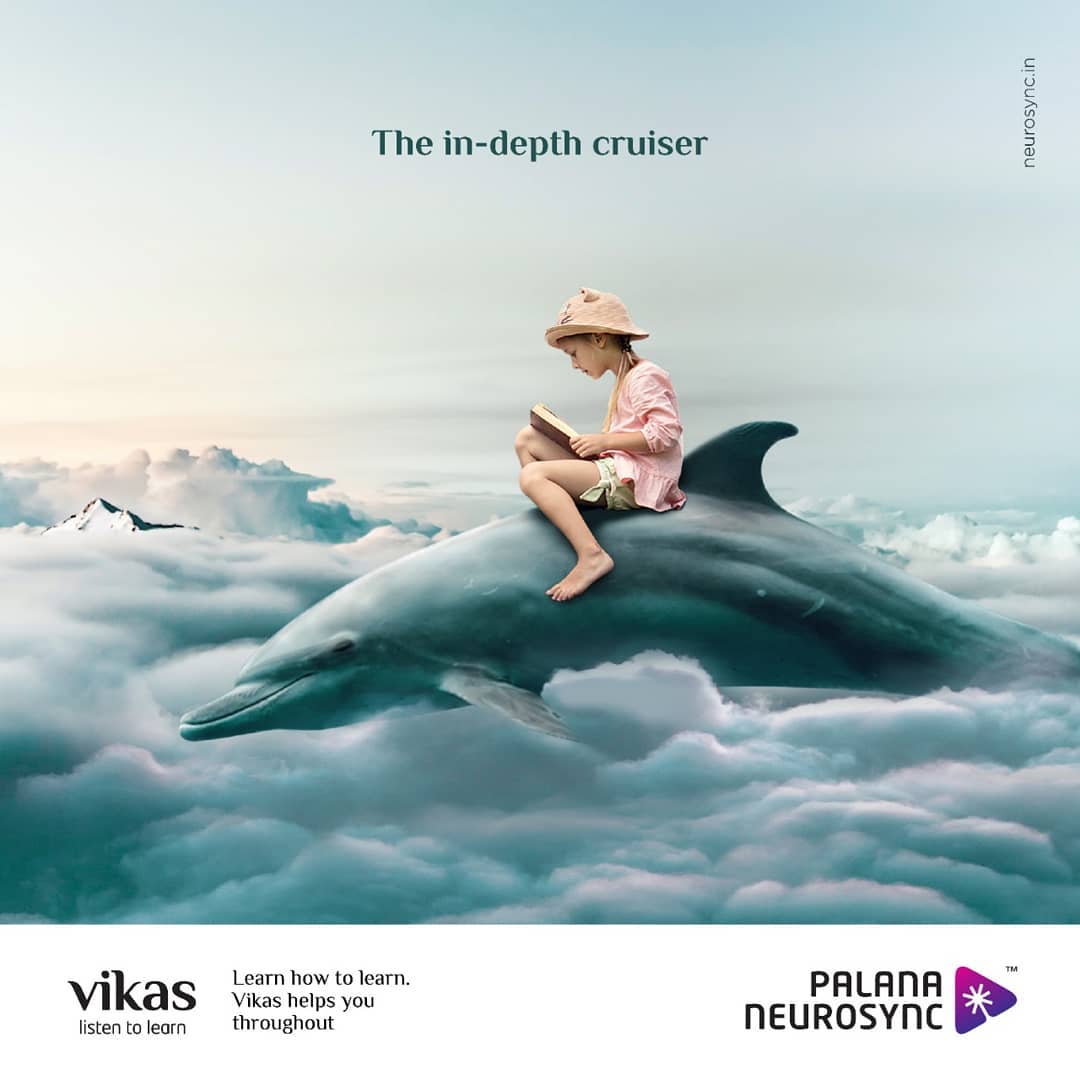
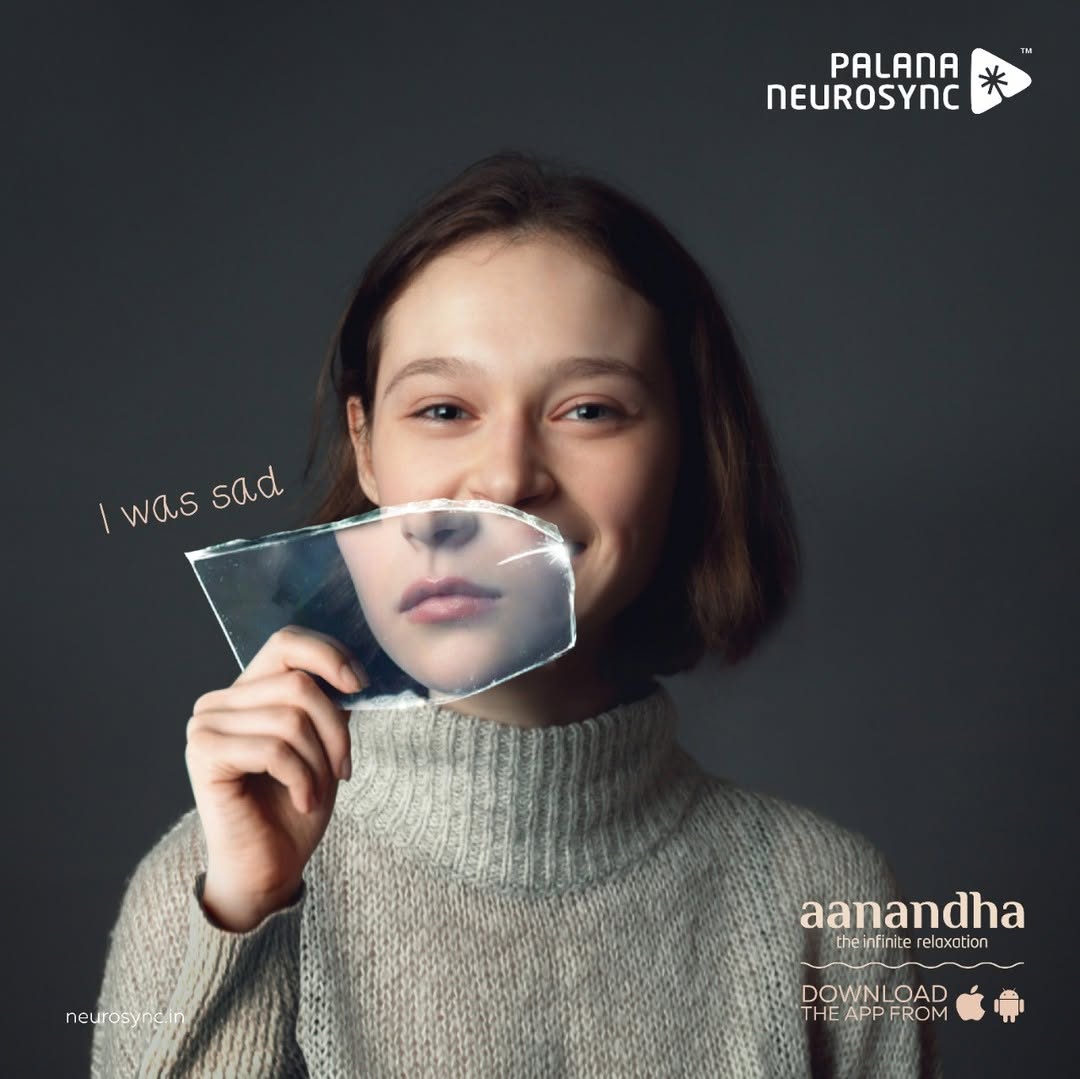
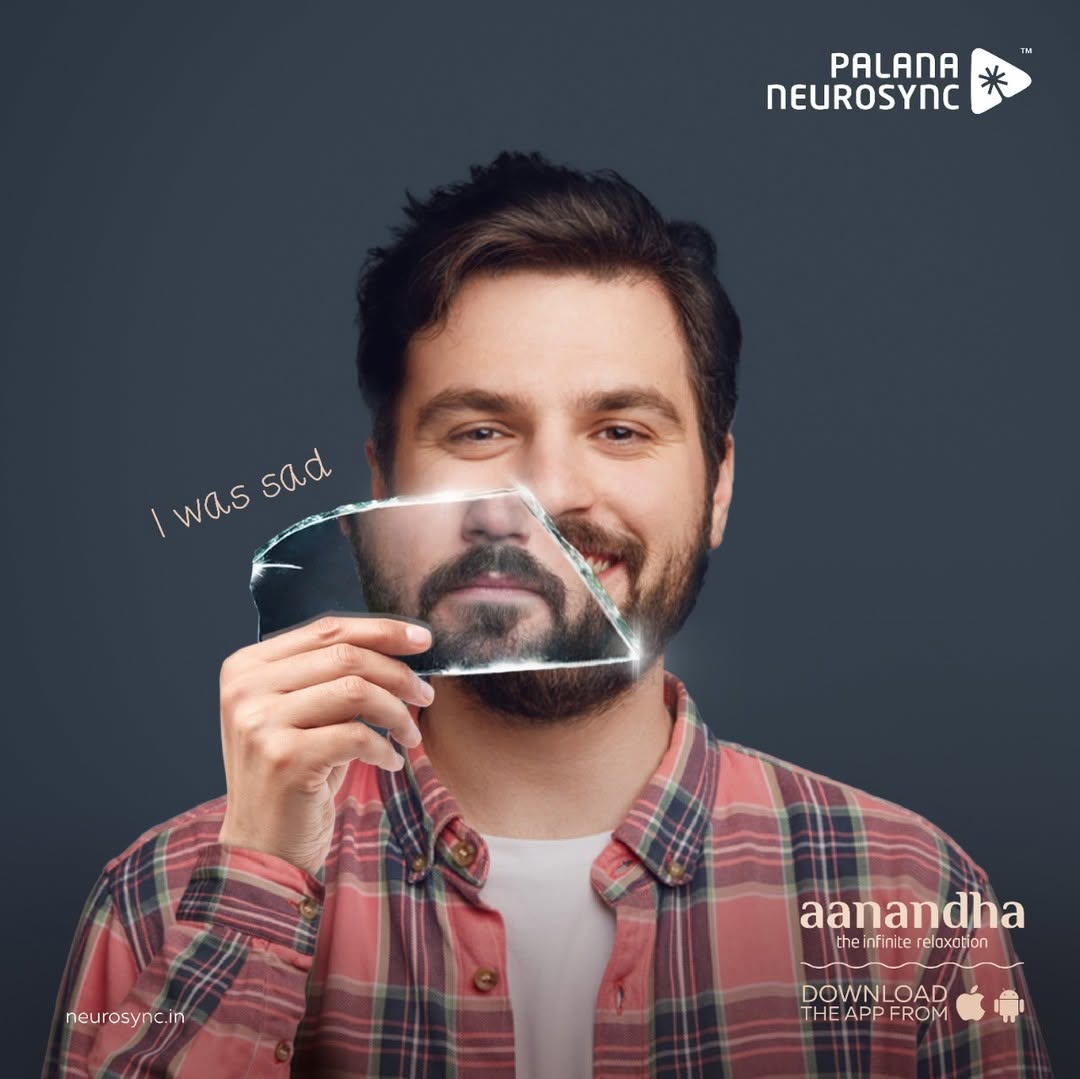
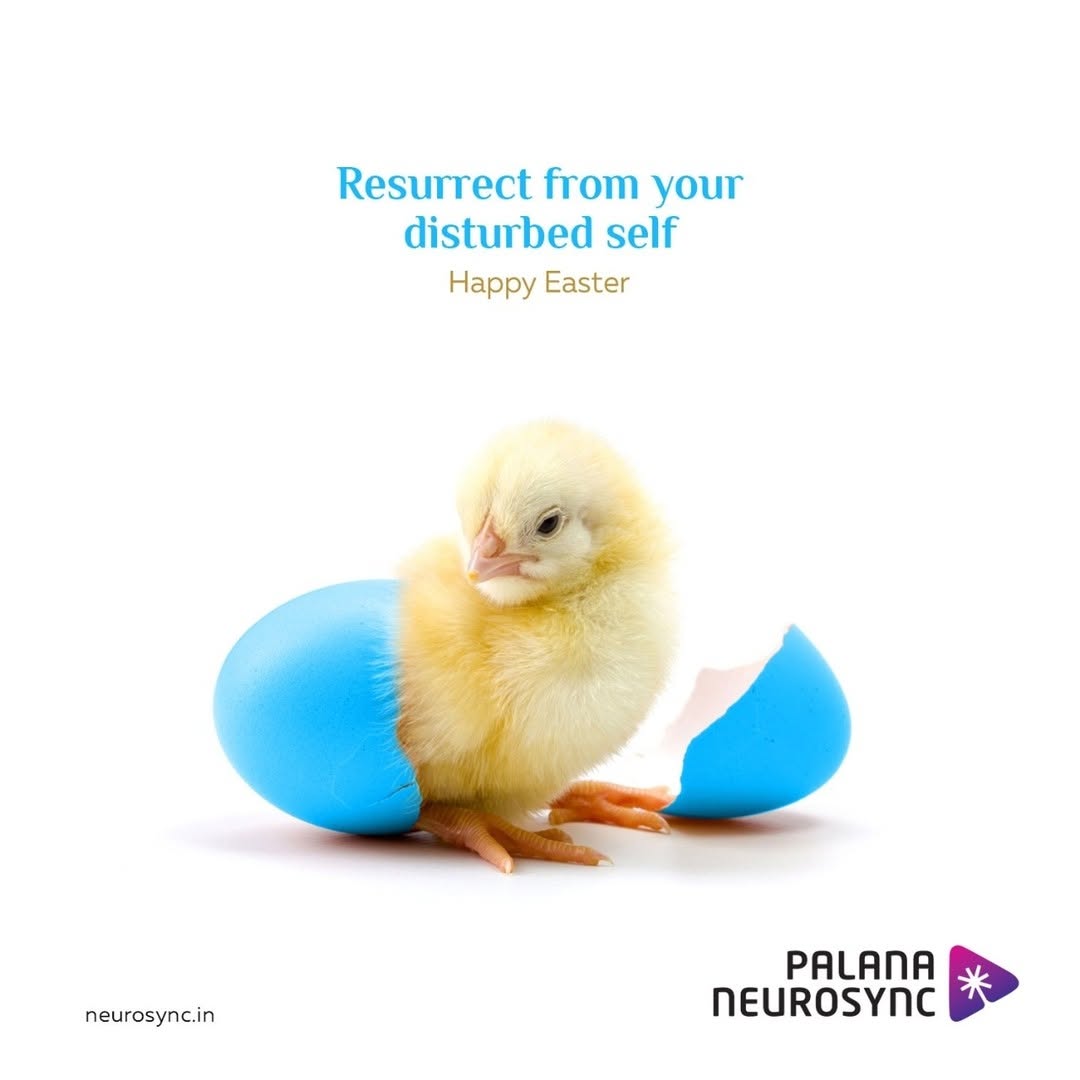
In contrast, Palana Neurosync, with its approach in music therapy, required an even more nuanced strategy. Music therapy, backed by neuroscientific research, has shown the ability to influence mood, reduce stress, and even facilitate neural plasticity. Such claims necessitate clear communication to foster credibility and trust. Developing branding strategies for Palana involved extensive collaboration with experts, reviews of scientific findings, and preparing messages that simplify complex ideas without losing their depth.
For a Brand Strategist, the challenge lies in transforming abstract, science-based concepts into campaigns that are not only attractive but also emotionally engaging. Mass awareness programs must be designed to educate without overwhelming, using storytelling and relatable analogies to connect with diverse audiences. In the realm of wellness, the brand’s authenticity and its commitment to improving lives must be evident in every touchpoint, ensuring that the brand is perceived not as a product but as a trusted partner in the journey toward well-being.